Skip to content
Table of Contents
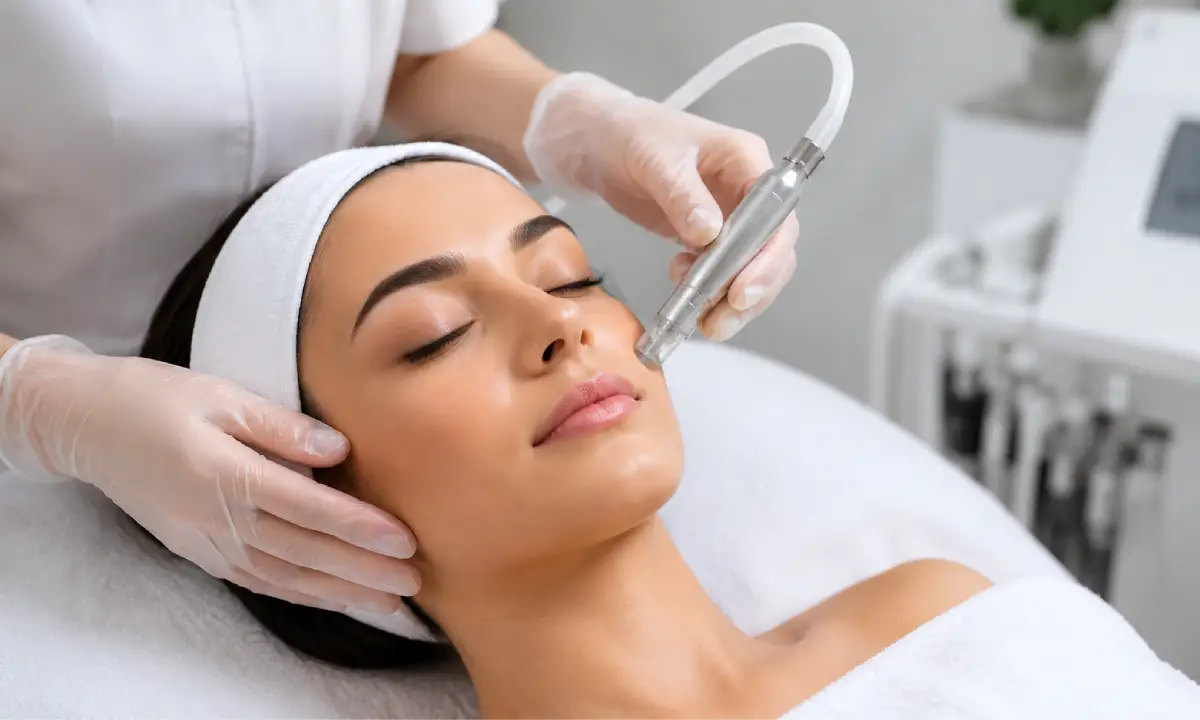
A hydrating facial is designed for skin that feels dry, tight, dull, or tired despite regular skincare. Unlike a regular facial that focuses on general cleansing and maintenance, this treatment gives your skin targeted moisture support for a softer, smoother, more refreshed look.
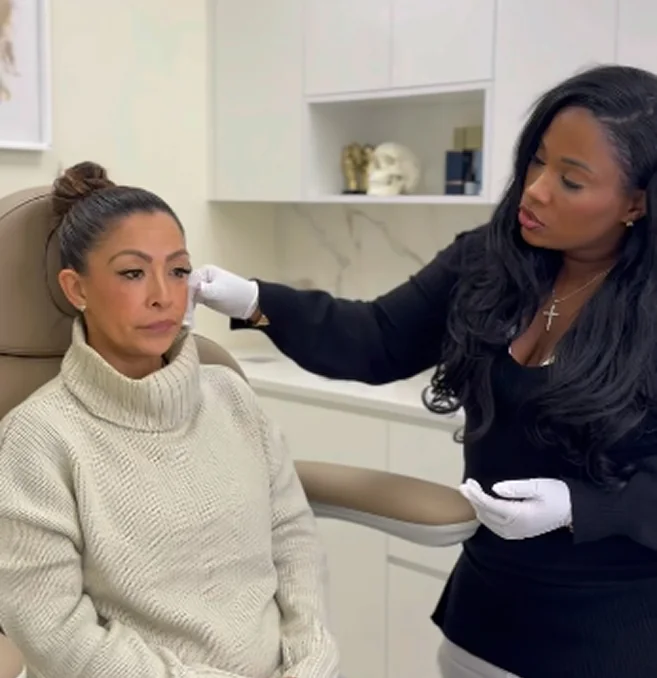
At Khrom Medspa & Wellness, a hydrating facial in Brooklyn, NY, begins with a personalized skin assessment so your treatment matches what your skin actually needs.
What Is a Hydrating Facial?
Most hydrating facials begin with a skin assessment. This step matters because dryness and dehydration are not always the same. Dry skin lacks oil, while dehydrated skin lacks water. Someone with oily or combination skin can still feel dehydrated. This is especially true after travel, seasonal changes, sun exposure, over-exfoliation, or frequent use of active skincare ingredients.
After the assessment, the facial usually starts with a gentle cleanse to remove makeup, sunscreen, oil, and surface buildup. A mild exfoliation may follow to clear away dead skin cells so that hydrating products can sit more evenly on the skin. The provider may then apply serums or masks that help replenish moisture without making the skin feel heavy.
A moisture-infusing facial may include ingredients such as hyaluronic acid, glycerin, aloe, ceramides, peptides, or calming botanical extracts. These ingredients are often chosen because they help the skin feel softer and more comfortable. The treatment typically ends with moisturizer and sunscreen to protect the skin after the appointment.
What Is a Regular Facial?
A regular facial is a broad category. It usually includes cleansing, exfoliation, steam or warm towels, extractions if needed, massage, a mask, moisturizer, and SPF. Some regular facials are relaxing and spa-like, while others are more corrective or focused on specific skin concerns.
The goal of a regular facial is usually general skin maintenance. It can help refresh the skin, remove surface buildup, support smoother texture, and give the skin a cleaner feel. Depending on the clinic or spa, the products may be chosen for oily skin, acne-prone skin, sensitive skin, aging skin, or combination skin.
A regular facial can still be helpful. It is not less valuable simply because it is not hydration-focused. It may be a better choice if the main concern is congestion, blackheads, excess oil, or routine skin upkeep rather than tightness or dehydration.
The Main Difference: Moisture Support vs. General Maintenance
The simplest way to compare the two is by looking at the treatment goal. A regular facial asks, “What does the skin need for general upkeep?” A hydrating facial asks, “How can we restore comfort, moisture balance, and a fresher look without overwhelming the skin?”
A hydrating facial usually avoids overly aggressive steps unless they are appropriate for the skin. Exfoliation is often gentle. Products are selected to attract and hold moisture. Masks tend to be calming or replenishing. The entire treatment is built around helping the skin feel less tight and look less dull.
A regular facial may involve a wider range of techniques. It may include more extractions, stronger exfoliation, or products that focus on oil control and pore cleansing. That can be helpful for some skin types, but it may not be the best fit when the skin already feels dry, reactive, or depleted.
Why Hydration Matters More Than It Seems
Skin can look dull for many reasons, and dehydration is one of the most common. When the skin does not hold enough water, fine lines can look more noticeable, texture can feel rougher, and makeup may not sit as smoothly. The skin may also feel tight after cleansing or become more reactive to products that used to feel comfortable.
A hyaluronic acid facial is one common example of a hydration-focused treatment since this substance is a humectant. What this means is that hyaluronic acid helps attract water. Other humectants may also be utilized, including glycerin and panthenol. This is where humectant skincare can offer a meaningful difference, especially when paired with ingredients that help reduce moisture loss.
For many patients, a hydrating treatment acts as a dehydrated skin rescue when the skin feels off after weather changes, long flights, stress, sun exposure, or inconsistent skincare. It does not replace a daily routine, but it can help reset the skin when it feels uncomfortable or looks tired.
Who Should Consider a Hydrating Facial?
A hydrating facial may be a good option for skin that feels dry, tight, rough, flaky, dull, or sensitive. It may also suit people who want a refreshed appearance before an event, as long as the treatment is appropriate for their skin type and does not include irritating steps.
It can also be helpful for people using active ingredients at home, such as retinoids, exfoliating acids, or acne treatments. These products can be useful, but they may leave the skin feeling dry or more delicate if the barrier is stressed.
For acne-prone or oily skin, hydration still matters. A non-comedogenic moisturizing facial can support moisture without relying on heavy products that may feel greasy or pore-clogging. The right formula matters, so the treatment should be selected with the skin’s full condition in mind.
When a Regular Facial May Be the Better Choice
A regular facial may be more appropriate if the main concern is clogged pores, blackheads, oiliness, or general skin refreshment. It may also be preferred by someone who wants a relaxing treatment with massage and basic maintenance rather than targeted hydration support.
If the skin is congested and dehydrated at the same time, the provider may combine approaches carefully. The goal is to avoid stripping the skin while still addressing buildup. This is one reason a skin assessment is important before choosing a facial.
What Kind of Result Can You Expect?
Many individuals notice that their skin feels softer, smoother, and more comfortable after a hydrating facial. The skin may also look fresher because surface buildup has been removed and moisture-supportive products have been applied.
A post-facial glow should be understood realistically. It is often a temporary refreshed look, not a permanent change in skin quality from one appointment. Lasting improvement usually depends on consistent skincare, sun protection, lifestyle factors, and the right treatment schedule.
How Often Should You Get a Hydrating Facial?
Many people schedule a hydrating facial every four to six weeks, but the right timing depends on skin type, sensitivity, goals, and the condition of the skin. Some people book one seasonally, while others use it as part of a regular skin maintenance plan.
Your provider can recommend timing based on how your skin responds. If your skin is irritated, over-exfoliated, or unusually sensitive, it may need a gentler plan before more active treatments are introduced.
KHROM MEDSPA & WELLNESS Hydrating Facial in Brooklyn, NY
At Khrom Medspa & Wellness, dry or dehydrated skin is not treated as a single concern with a generic solution. Some patients experience surface dryness, while others struggle with dehydration beneath the skin that does not seem to improve with moisturizer alone. The hydrating facial begins with an assessment-first approach to understand how your skin is responding to its environment and what level of support it truly needs.
This thoughtful approach may include moisture-focused products, gentle exfoliation when appropriate, and ingredients that support hydration and comfort. For some patients, the treatment may function as a barrier repair facial, especially when the skin feels sensitive, tight, or easily irritated.
Book your custom hydrating facial today and leave with a dewy, plumped glow.
Frequently Asked Questions
What is a hydrating facial?
A hydrating facial is a moisture-focused skin treatment that helps replenish hydration, soften dryness, and support skin that feels tight, dull, or depleted.
How is a hydrating facial different from a regular facial?
A hydrating facial focuses mainly on moisture support, while a regular facial is usually designed for general cleansing, exfoliation, extractions, and skin maintenance.
Who is a good candidate for a hydrating facial?
A hydrating facial may be a good option for people with dry, dull, tight, rough, flaky, or dehydrated-looking skin.
Can I combine a hydrating facial with other aesthetic treatments?
Yes, a hydrating facial may be combined with treatments such as chemical peels, microneedling, LED therapy, injectables, or laser treatments, but a consultation is needed to decide the safest timing and treatment plan for your skin.